Tea_Ikebana_NJ
Now offer : Wabi Method
A Beautiful way to wellbeing
Mandara Program(曼荼羅プログラム)
Wabi-Method(和美メソッド)
Please subscribe email magazin:
Serenity in Tradition
"Wabi"Method
A Beautiful Way to Wellbeing
Inspired by Japanese Beauty and Wisdom.
Beauty is a way of being.
Through tea, flowers, nature, and silence,
discover a more beautiful way to live.
Begin Your Journey (和美メソッド)
Experience mindfulness and harmony through the art of the Japanese Tea ceremon, Ikebana, and incense
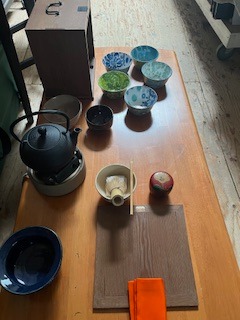
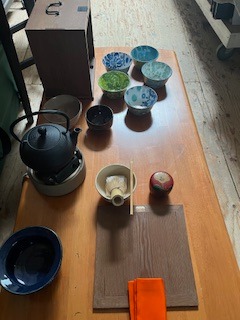
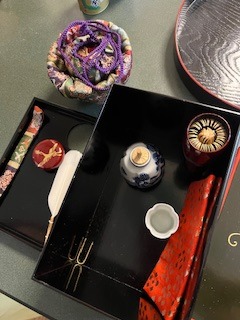
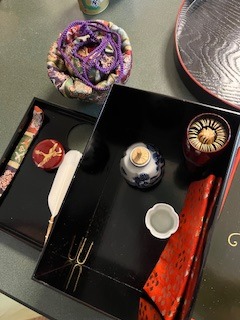
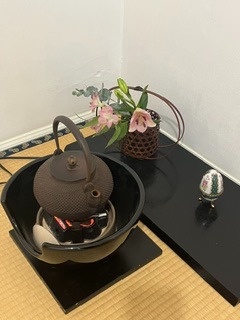
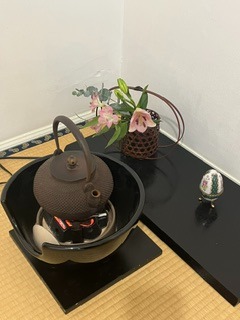
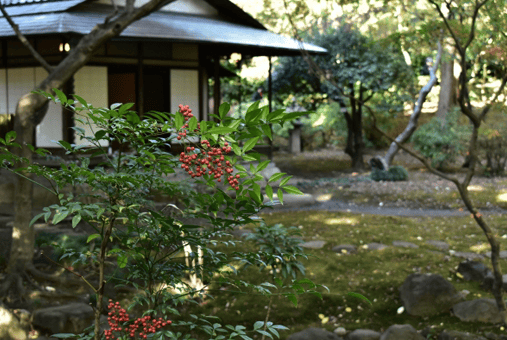
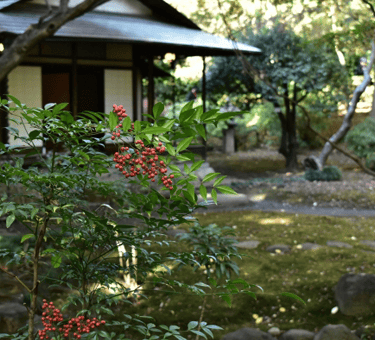
Explore the Art of Tea ceremony, Ikebana, and Incense
Immerse yourself in the tranquility of Ikebana, where each arrangement is a mindful journey towards balance, beauty, and mindfulness in everyday life, reflecting the essence of Japanese traditions.
150+
15
Peaceful Mind
Inner Harmony
Wa-Bi Method
The Art of Everyday Japanese Beauty
Bringing stillness and beauty into everyday life.
A bowl of tea.
A single flower.
A quiet moment.
The Wa-Bi Method is a gentle 3-month introduction to Japanese aesthetics through Tea, Ikebana (Chabana), and mindful reflection.
Designed for modern life, this program helps cultivate calmness, beauty, and intentional living through small daily rituals.
This is not simply a class.
It is a way of living beautifully.
Tuition: $1,000 USD
3 Months / 12 Weeks
Includes:
Guided Tea Practice
Ikebana (Chabana) Introduction
Reflection Exercises
Weekly Guidance
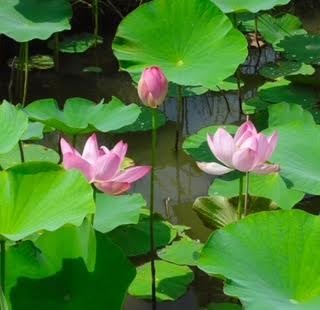
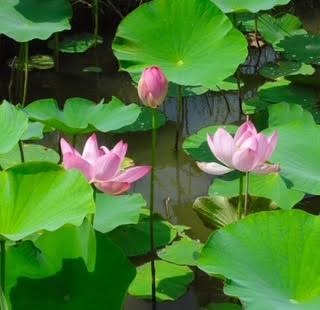
What is Cha-bana (茶花)
“flowers should be arranged as they are in the field,” chabana avoids extravagant or overly decorative arrangements.
Instead, it emphasizes simplicity and natural beauty, often using wild grasses and seasonal flowers that grow in the mountains and fields. The guiding aesthetic is one of unpretentiousness, and the preferred method of arranging is known as nageire—a spontaneous, natural style of placement.
Though modest, chabana captures the essence of each season and the subtle passage of time, quietly enhancing the atmosphere of the tea gathering. Within its simplicity lies the spirit of the tea ceremony itself.
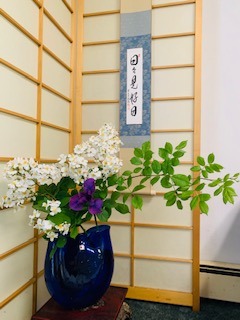
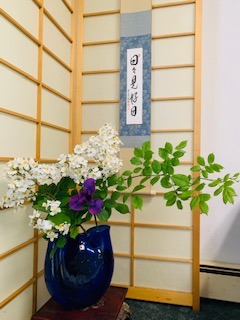
A transformative experience for the soul.
Sophia
"
Learn * Cha-bana
Choosing Flowers According to the Season
In the way of tea, a deep appreciation for the changing seasons is essential. Each of the four seasons—spring, summer, autumn, and winter—has its own flowers and plants that are commonly used in chabana. Let’s practice arranging seasonal flowers.
Spring: Camellia (Tsubaki), Plum Blossom (Ume), Rapeseed Blossom (Nanohana), Spicebush (Kuromoji)
Summer: Hydrangea (Ajisai), Summer Camellia (Natsutsubaki), Rose of Sharon (Mukuge)
Autumn: Balloon Flower (Kikyo), Wild Chrysanthemum (Nogiku), Japanese Anemone (Shumeigiku)
Winter: Wintersweet (Roubai), Narcissus (Suisen), Adonis (Fukujusou)


Monthly Cha-bana lesson
We have monthly Cha-bana lesson based on using seasonal flowers
Trial lesson
Let you try to arrange Cha-bana by your style